
My Pills Helped Me Breathe, but I Was Still So Tired and Afraid. What My Daughter Showed Me Gave Me Hope Again
With qualifying supplemental insurance, this live at-home program may be near free. Check now to see if you qualify.
I just stared at her.
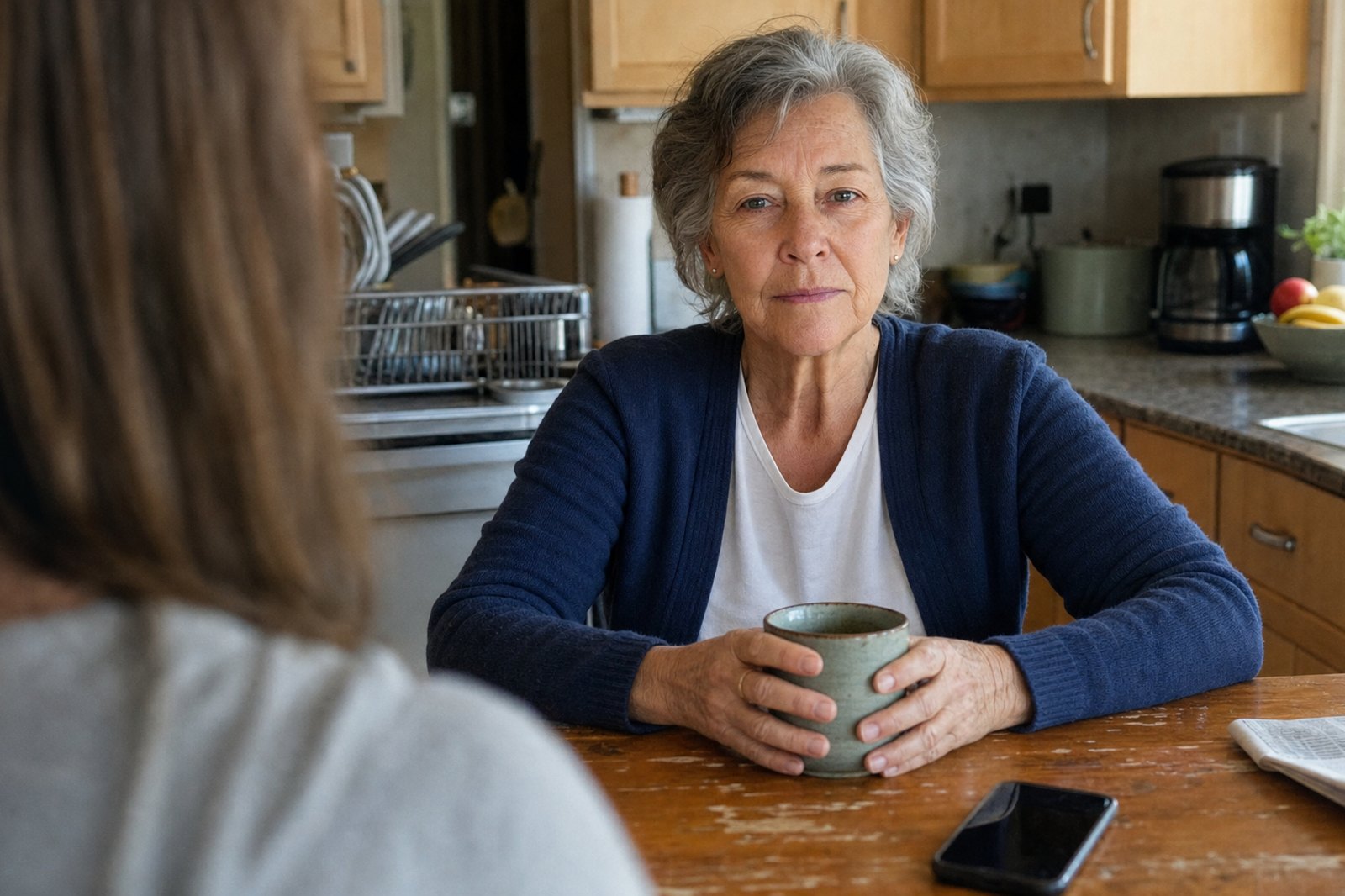
My daughter had leaned across the table and said, "Mom, you just kind of eat a little different and move around a little, and someone on the screen walks you through it. I'll sit with you the whole time."
Nothing came out. Not a word, not a tear, not a smile. My coffee had gone cold in front of me and she was still looking at me.
I'm Dorothy, I'm 67 and I've got heart failure.
My pills have helped my breathing, thank God, and mornings are lighter now.
But I'm still tired in a way sleep doesn't fix. And I'm still afraid.
The stairs are the first place I get scared.
When my pulse climbs, on the stairs, carrying the laundry, walking just a little too fast, I get nervous and pull back. I tell myself to slow down. Sometimes I stop on a step and stand there until my heart settles.
I plan my whole day around getting tired. A morning grocery run leaves nothing for dinner. It has to be one or the other.
My husband brings in the bags now. The trash goes out with him too. He says, "I've got it," and I know he means it.
I still hate watching him do the things I used to just do.
Being useful in my own house is what I miss. Ordinary things, without thinking them through first.
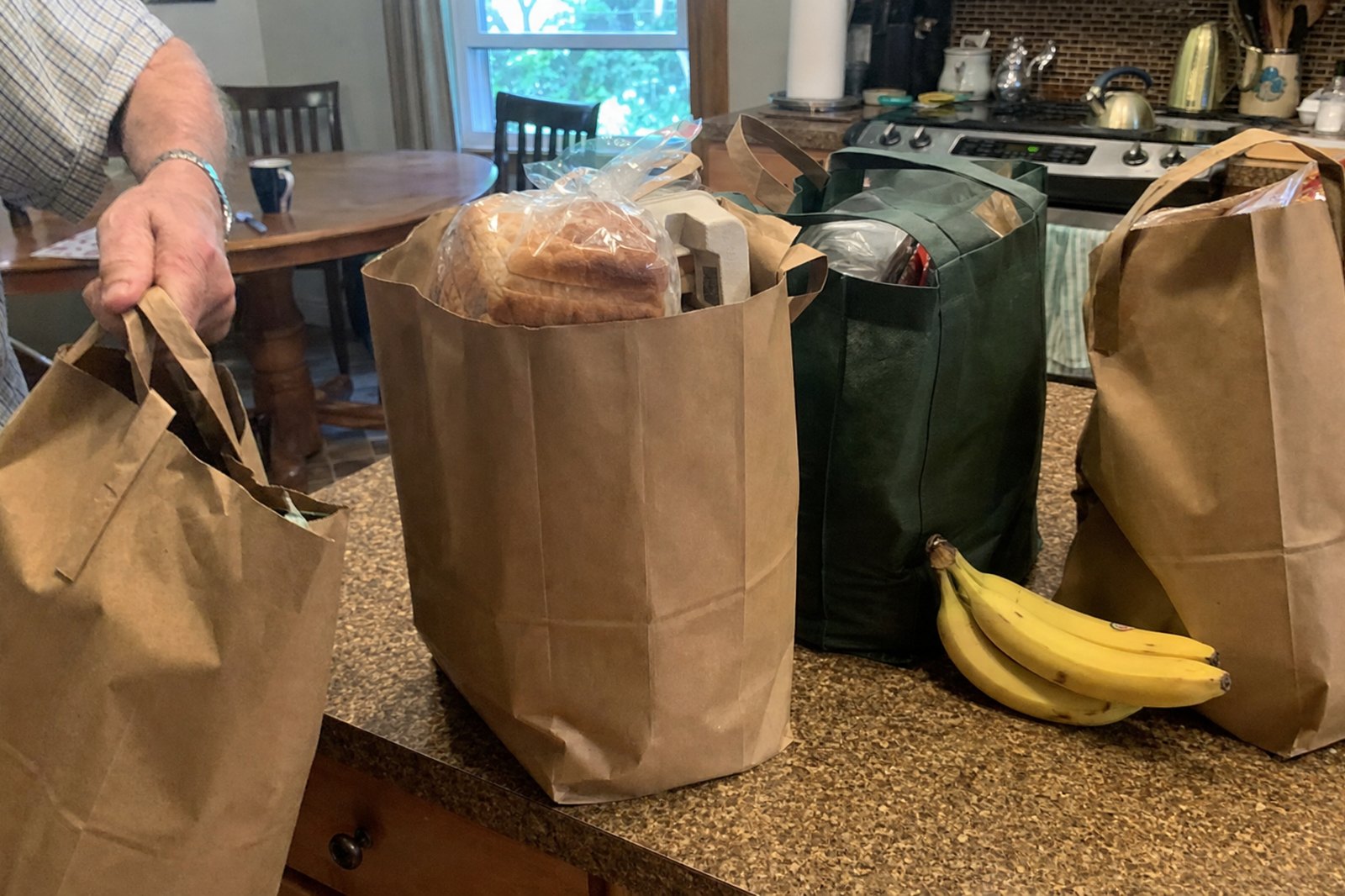
Her eyes went to the bags on the counter.
A few months ago, my daughter came by and saw the grocery bags on the counter that I hadn't put away yet. She sat down across from me, pulled out her phone and said, "Mom, can I show you something? I saw this ad and I keep thinking about you."
Ordinarily the answer would have been, "Honey, not today." That afternoon had already worn me out, and ads all sound the same after 67 years. Hope was all over her face, so I said, "Okay. Show me."
The ad on her phone was about an approach from Dr. Dean Ornish. Not a pill or a 30-day fix. A full program that puts it together: gentle exercise, low-fat plant-based eating, learning to calm stress, and a small group you meet with, guided by nurses and doctors. I shook my head a little. "Honey, they promise everything these days."
The teas are in the cupboard. The recipes are saved somewhere. Every morning-show doctor has had his turn telling me to walk more and eat better, as if the thought had never crossed my mind.
Her hand reached over and squeezed mine.
"Mom, this isn't a fad. Listen for a minute."
What she'd read came out in her own words. That doctors had studied this way of living. That in people with clogged heart arteries, most of the group that lived this way closely actually got a little better instead of worse. The narrowing eased a little. And that Medicare had looked at all of that research and approved this intensive rehab program for coverage.
She wasn't trying to sell me. She was just trying to get through to me. I just stared at her again. Because all I could think was, If there's really help like this, why have I never heard about it?
She said softly, "I wondered the same thing. So I looked."
And that's when it started making sense.
The drive across town took it out of me first.
I tried clinic rehab once. I went 4 times and I wanted it to work, I really did.
A 20-minute drive each way stood between my kitchen and the clinic, and my husband had to do the driving. By the time I walked in the door there, I was already tired. Every visit had a copay. And once I was there, I mostly walked on a treadmill while an educational video played. No one really stayed with me.
Home came with a stack of papers and no idea how to live any of it out in my real kitchen, on my real tired afternoons.
It wasn't that I didn't want help. It was the driving and the cost and the scheduling. It was being scared to get my heart rate up without someone I trusted right beside me. It was coming home alone and trying to guess what was okay to do.
My daughter said, "It's from home. Live, with real clinicians."
It's Dr. Ornish's program, the one called Dr. Ornish's Program for Reversing Heart Disease. Medicare has covered it since 2010 and added heart failure in 2018. Carda runs the whole thing live from home, 2 sessions a week for 9 weeks with the same clinicians on the screen.
She said, "Mom, fewer than half of one percent of the people who qualified ever used it, and you should at least ask."
The cost had to be said out loud first.
Carda would check if I qualified and check my coverage and tell me the cost before I decided anything. It's near free with qualifying supplemental insurance and there'd be no blind bill. She filled the form in with me at the table. It took about 2 minutes, and there was nothing to lose, so I said yes to the check.
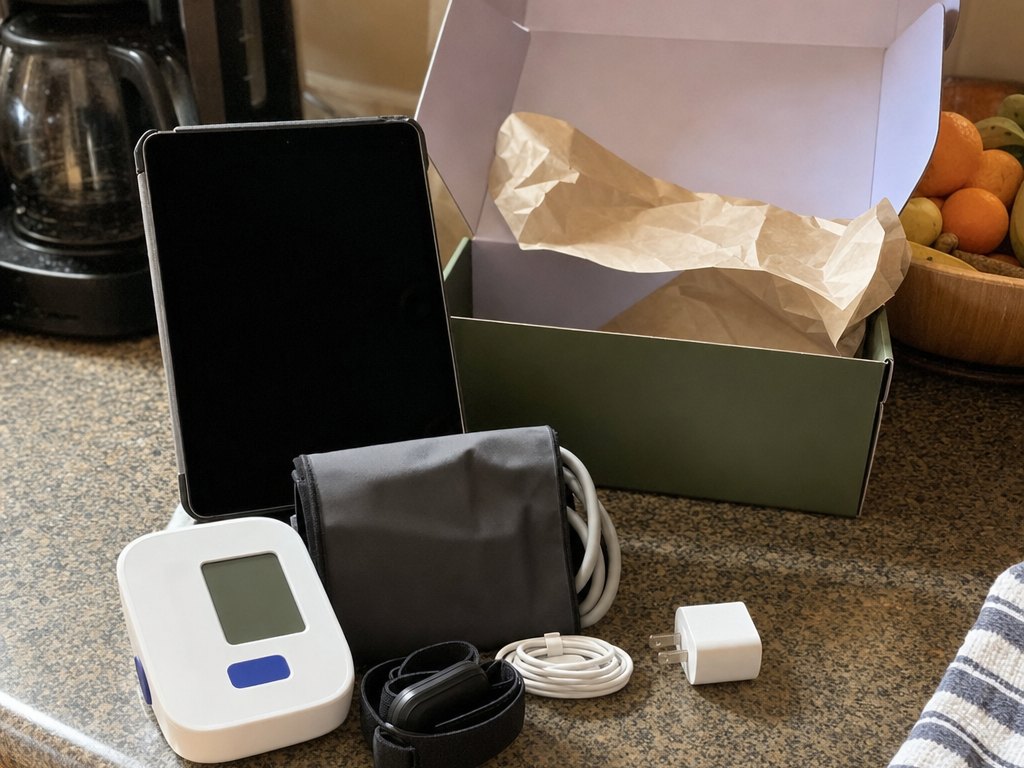
They called back, said I qualified, and told me what it would cost before I said yes. A box came with a tablet and a blood pressure monitor and a heart rate monitor, shipped free. A young man stayed on the phone while I plugged things in until my screen lit up.
For the first live group I propped that tablet against the fruit bowl. A clinician looked right out and said, "Hi, Dorothy, I'm glad you're here." We moved a little together, talked about the food I buy at my store, and practiced calming down. I told them I'm scared when my pulse climbs.

The number on the monitor kept climbing that morning.
In week 1 my pulse climbed while we marched in place. I saw 104 on my monitor and I didn't stop and stand there. The exercise physiologist said, "I see you at 104, Dorothy, that's right where I want you, stay with me and keep marching." I kept marching with her watching my number.
The bags came through the front door again.
In week 2 my husband brought the bags in from the car and set them on the counter. I picked up 2 bags and put them away myself. He stood by the door and watched me do it.
Someone who finished the program wrote on Ornish's site:
"I couldn't bring in any groceries... But now, I pick up four or five bags."
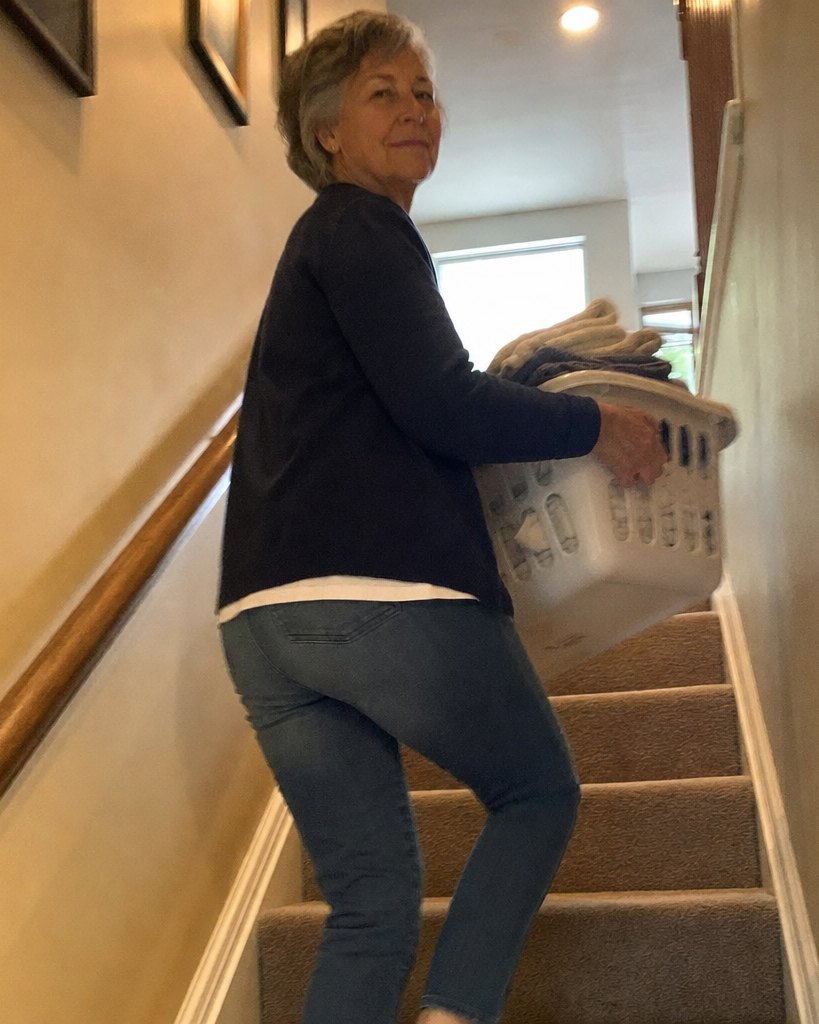
In week 4 I carried the laundry basket up the stairs and didn't stop on the landing. I put it on the bed and folded it there.
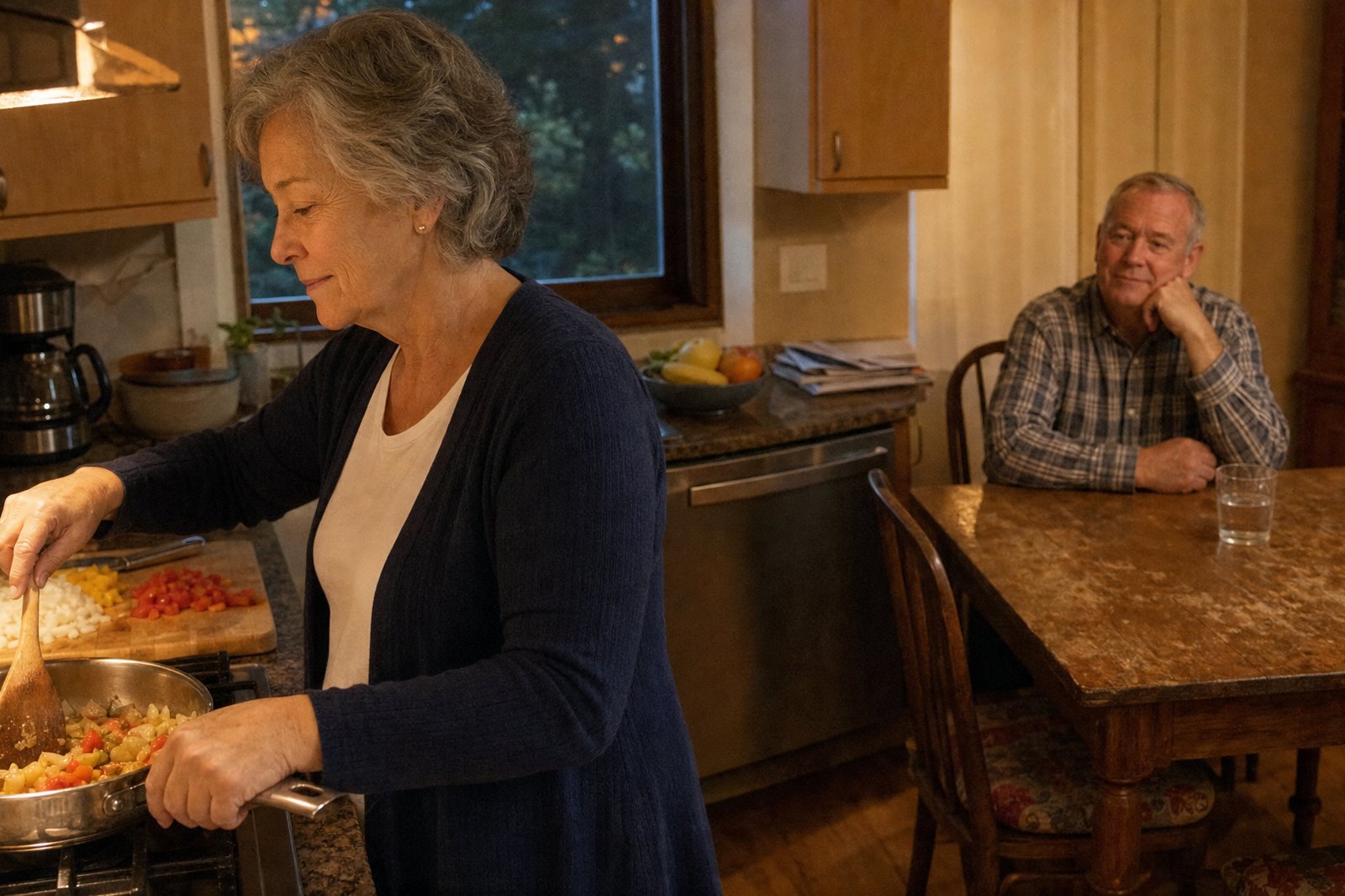
By week 6 the grocery run was mine again in the morning, I carried the bags in myself, and I made dinner that night. My husband sat at the table while I chopped and stirred. He didn't get up to take it over.
At the last session my daughter sat with me at my table and watched on the screen. The group said goodbye and I turned the tablet off myself. She put her hand on mine and we sat there.
I don't get scared when my pulse climbs now, I carry my own bags in and I make dinner the night I shop while my husband sits down.
I highly recommend filling out the form. Carda checks whether you qualify and tells you the cost before you pay anything. It's near free with qualifying supplemental insurance. Medicare's approval for doing this from home is currently authorized only through the end of 2027, so I wouldn't wait to ask.
From my kitchen table to yours,
Dorothy
P.S. My daughter doesn't see bags sitting on my counter now. I put them away.
Dorothy's story and care scenes are illustrative fiction, not a real patient account.
Get the Ornish Program today.
Covered by Medicare Part B. Near free with qualifying supplemental insurance.
Check If You Qualify (It's Free)Takes about 2 minutes · No obligation
Above Edit is reader-supported. This article is sponsored by Carda Health.